How VR and AR Are Shaping the Future of Remote Work

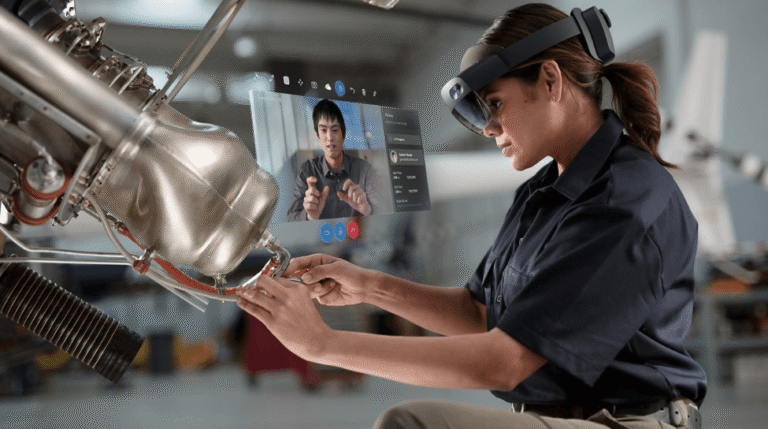
The emergence of VR and AR technologies is fundamentally altering the dynamics of remote work. These immersive tools create opportunities for enhanced collaboration and communication, allowing teams to engage in lifelike interactions. As organizations increasingly integrate these technologies, the distinction between physical and virtual workplaces blurs. This shift raises questions about the implications for workforce adaptability and the future of professional interactions. What challenges and opportunities lie ahead in this evolving landscape?
The Rise of Immersive Collaboration Tools
As remote work continues to gain traction, organizations are increasingly turning to immersive collaboration tools to enhance productivity and engagement.
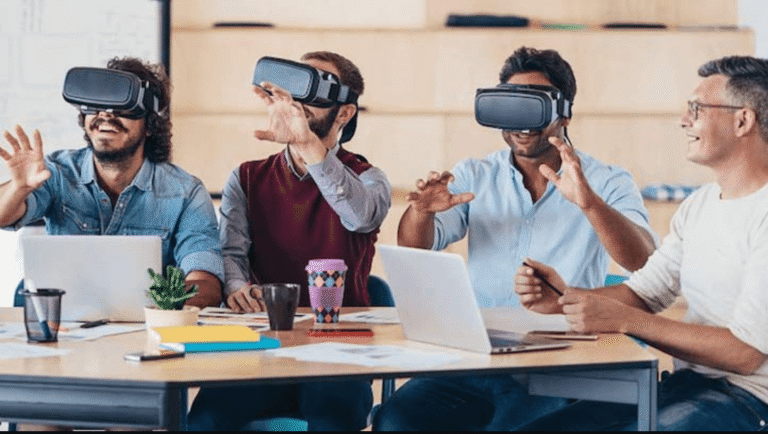
Virtual meetings now occur in dynamic collaborative spaces, allowing team members to interact more naturally. These tools facilitate innovative brainstorming and problem-solving, fostering a sense of connection and creativity that traditional methods often lack.
Ultimately, they empower teams to thrive in a digital landscape.
Enhancing Communication Through Virtual Environments
Immersive collaboration tools not only foster creativity but also significantly enhance communication within remote teams.
By facilitating virtual meetings through engaging immersive experiences, these technologies break down barriers, allowing participants to interact more naturally. This rich form of engagement nurtures understanding and connection, ultimately leading to more productive discussions.
As such, virtual environments redefine how teams collaborate, ensuring clear communication regardless of physical distance.
See also: How Virtual Reality Is Transforming the Fashion Industry
Bridging the Gap: Physical and Virtual Workspaces
While the rise of remote work has transformed traditional office dynamics, the challenge of integrating physical and virtual workspaces remains critical.
Successful hybrid environments rely on innovative spatial design that fosters collaboration and productivity.
The Future Workforce: Adapting to VR and AR Technologies
The integration of VR (Virtual Reality) and AR (Augmented Reality) technologies into the workforce is poised to revolutionize how employees engage with their tasks and collaborate with colleagues.
Enhanced remote training and immersive digital onboarding experiences will empower organizations to cultivate a more skilled and adaptable workforce.
As these technologies evolve, they promise to redefine professional interactions, fostering a culture of innovation and flexibility.
Conclusion
As VR and AR technologies continue to reshape remote work, they offer unprecedented opportunities for collaboration and creativity. By bridging the divide between physical and virtual spaces, organizations can cultivate a more engaged and adaptable workforce. Will the integration of these immersive tools revolutionize not only how we work but also how we connect and innovate? Embracing these advancements may be essential for companies aiming to thrive in an increasingly digital and interconnected world.