How Virtual Reality Is Enhancing Employee Training

Virtual reality is transforming employee training by offering immersive learning experiences that traditional methods cannot match. This technology facilitates real-world simulations, which enhance skill development and knowledge retention. Moreover, it addresses various learning styles, creating a more inclusive environment. As organizations strive to adapt to a dynamic workforce, the effectiveness of VR training programs warrants closer examination. What specific advantages do these innovative methods bring to the table?
The Benefits of Immersive Learning Experiences
As organizations increasingly seek innovative methods to enhance employee training, immersive learning experiences stand out for their ability to engage participants more deeply than traditional approaches.
This engagement boost fosters knowledge retention and application, leading to more effective skill development.
Additionally, such experiences often provide cost efficiency by reducing the need for extensive physical materials and enabling scalable training solutions, thereby maximizing resource utilization.
Real-World Simulations for Skill Development
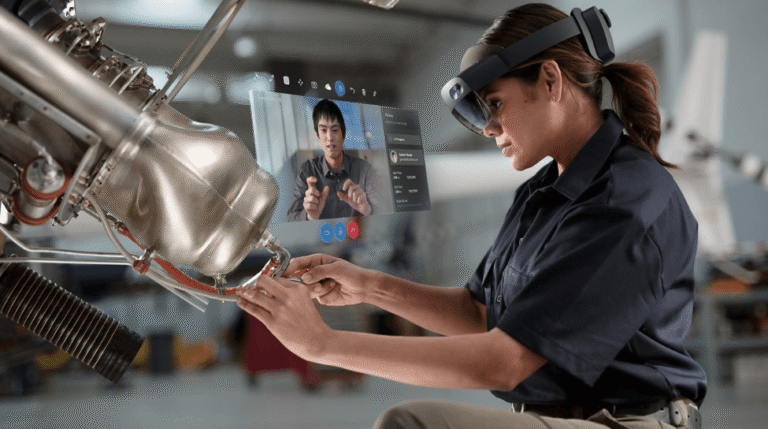
Immersive learning experiences naturally pave the way for real-world simulations, which play a pivotal role in skill development.
By utilizing scenario-based training, employees engage in hands-on practice that closely mirrors actual job challenges. This method enhances retention and promotes confidence, allowing individuals to navigate complex situations effectively.
Ultimately, such simulations empower employees, fostering a more adaptable and skilled workforce ready for real-world demands.
See also: How Virtual Reality Is Changing the Way We Learn
Catering to Diverse Learning Styles
How can organizations effectively address the varying learning preferences of their employees?
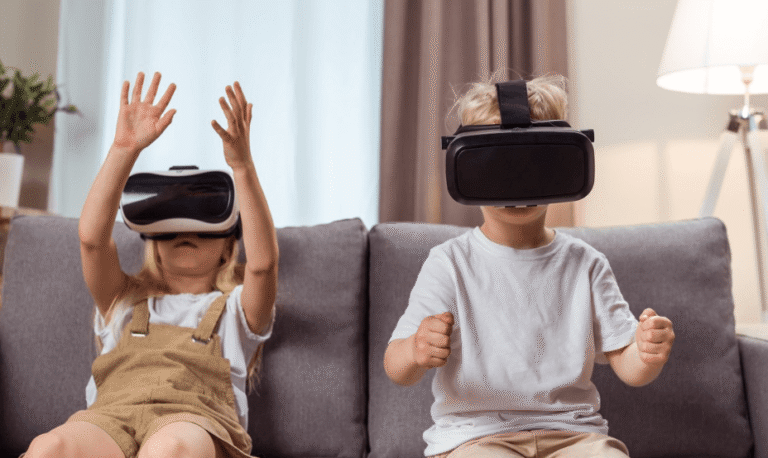
By leveraging virtual reality, companies can enhance visual engagement, catering to those who thrive in immersive environments.
Additionally, VR facilitates personalized feedback, allowing learners to progress at their own pace.
This strategic approach not only acknowledges individual learning styles but also fosters a more inclusive and effective training experience for all employees.
Measuring the Impact of VR Training Programs
What metrics can organizations utilize to assess the effectiveness of Virtual Reality (VR) training programs?
Key elements include pre- and post-training assessments, employee engagement levels, and retention rates.
Conducting a thorough impact assessment allows companies to measure training effectiveness and identify areas for improvement, ensuring that VR training not only enhances skills but also fosters a culture of continuous growth and adaptability.
Conclusion
In conclusion, virtual reality is not merely transforming employee training; it is catapulting organizations into a new era of learning where engagement and retention soar to unimaginable heights. By harnessing the power of immersive simulations and personalized feedback, companies are not just enhancing skill development but creating a workforce equipped to tackle the complexities of modern challenges. As VR continues to evolve, its potential to reshape training methodologies will undoubtedly redefine the future of employee development.